PRODUCT
Shipping things people use, proven before they scale.
The product decisions behind the ventures, in the parts that can be spoken to in detail: the architecture calls, the trade-offs, and what testing with real users actually turned up.
The riskiest assumption gets tested before anything else, and it sits in who the customer is, or how you reach them, as often as in the product. Instrument all of it so behaviour is measurable, not assumed. In a regulated product, trust is the product problem before it's a design problem, and the architecture decision, where AI gets to act, matters more than any interface choice.
 Tranquiliti · own start-up
Product co-founder · 2018 to 2023
Making wellbeing data something a teacher can act on by Monday
Tranquiliti · own start-up
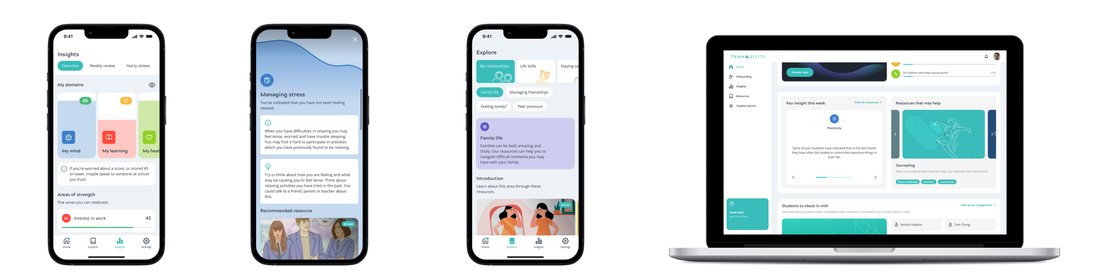
Schools already ran wellbeing surveys. The data arrived too late, too rarely, and landed on staff who had no time to read it and no training in what to do next. Measurement was not the problem. The gap between a score and an action was.
My own team of 11, across product, engineering, design and operations. Run in sprints with stand-ups. Monthly board meetings with the Tes Global CEO and senior team, and wider investor calls.
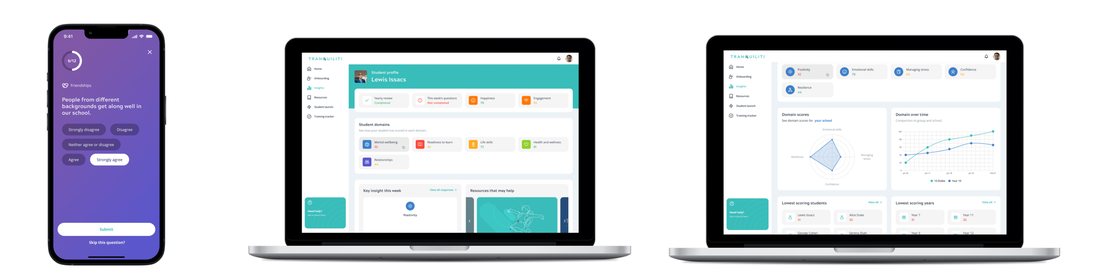
Built the product around a two-minute weekly check-in rather than a termly survey, so the data refreshed faster than the problems did. Measured across 40+ areas and surfaced it at individual, class, year group and whole-school level, so each role saw only their own decision. Then built a recommender that pushed the next action to the person who could take it: guidance to the student, a class activity to the form tutor, an intervention or whole-school strategy to the pastoral lead. Lowest-scoring students and classes were flagged rather than left to be found.
The adoption blocker was never the student side. It was staff time, so onboarding became part of the product: video modules, a tracker showing which staff had completed them, and pre-made launch materials. A wellbeing tool that needs a training day does not get used in a school.
 100 School · client engagement
Paid engagement · one month
Getting the journey and engagement ready to scale
100 School · client engagement
A paid engagement with 100 School, an AI workforce training company with an engaged community and a free programme bringing people in at the top of the funnel. It was expanding into targeted, role-specific courses, and wanted the user journey and engagement ready to carry that push.
One month, ending in a direction. Mapped the end-to-end user journey with the team and put the engagement data against it, so the expansion decisions sat on evidence rather than instinct. Turned that into a product vision and a clear testing strategy: the priority changes, the quick wins, a defined MVP, the riskiest assumptions behind it, and how to validate them rather than assume them. The output was clarity on what to do next and in what order.
Getting the journey ready before the push is cheaper than pushing and reworking it after. Doing the work in that order changed the sequence of the roadmap, not just its contents.
 Trellis · Nesta
Live product, spun out
Turning a lifetime of accounts into one number someone can act on
Trellis · Nesta
People aged 55 to 75, most holding four or more income sources, each with its own tax treatment and its own start age. Nothing shows what it all adds up to, so later-life money decisions get made blind. The rational response is caution, and caution shows up as underspending: people who can afford to heat the house properly, or fix it, not doing it. Around 70% of pension pots are accessed without regulated advice, so most of them are deciding alone.
The venture team, plus legal counsel and a regulatory adviser. Run in sprints with stand-ups, and monthly progress meetings.
One number, not a dashboard. The engine takes the whole picture and returns a safe-to-spend figure, then lets someone test the big decisions as what-ifs in parallel rather than one at a time: retiring earlier, heating the home, helping family, a retrofit. It stays current as life changes instead of being a calculator you run once and forget.
Trust was the binding constraint. The engine is deterministic rather than generative, so the maths is auditable and repeats. AI only explains and composes from approved blocks, and nothing is AI-recommended. The product also has to say the unwelcome thing, warning someone when they are on course to overspend and pointing to free independent support with no fee attached. Guidance only, never a recommendation to move money, with every customer-facing surface cleared against the guidance perimeter before release.
The barrier was confidence, not money. A large share of retired users could already fund the work they had been deferring out of savings alone, without touching a pension or taking on debt. The product’s job was never to find them money. It was to tell them clearly what they already had.
 Canoli · Nesta
Live product, spun out
Formulation software for teams who cannot afford to get it wrong
Canoli · Nesta
Product teams at food SMEs, challenger brands and the agencies working for them. Formulation is where a product is actually decided, but everything needed to decide it sits apart: how an ingredient behaves in one place, nutrition in another, cost in a spreadsheet, compliance somewhere else. Serious formulation software exists and is priced for enterprises, so smaller teams do it by hand and find out whether they got it right after paying for a production run.
The venture team, plus a data scientist. Run in sprints with stand-ups, and monthly progress meetings.
A live model of the product being built, so the consequences of a change appear before the kitchen does. Nutrition, cost, claims and compliance score as you formulate. Underneath sits an ingredient layer covering how ingredients behave functionally and in processing, built category by category rather than claiming coverage it did not have. On top, ingredient swaps that show their reasoning rather than just the substitution.
Food is a trust industry and one wrong claim can end a product, so a team will not act on a recommendation it cannot check. That set two rules: ingredients verified rather than scraped, and every suggestion shown with its reasoning so a food scientist can overrule it. It also set the market sequence. SMEs first, because the sales cycle is short and the tolerance for testing is higher, and because their formulation activity is what makes the underlying data good enough for anyone larger to trust later.
Tested with 10 manufacturers rather than a proxy audience, which surfaced the real requirement early. Traceability and iteration history mattered as much as the output: a food scientist needs to see how a recipe reached where it is, not only what the model thinks of it.
 BfB Labs · Oshn
Product Director, 2024 to 2025
Designing for action before motivation, inside a regulated product
BfB Labs · Oshn
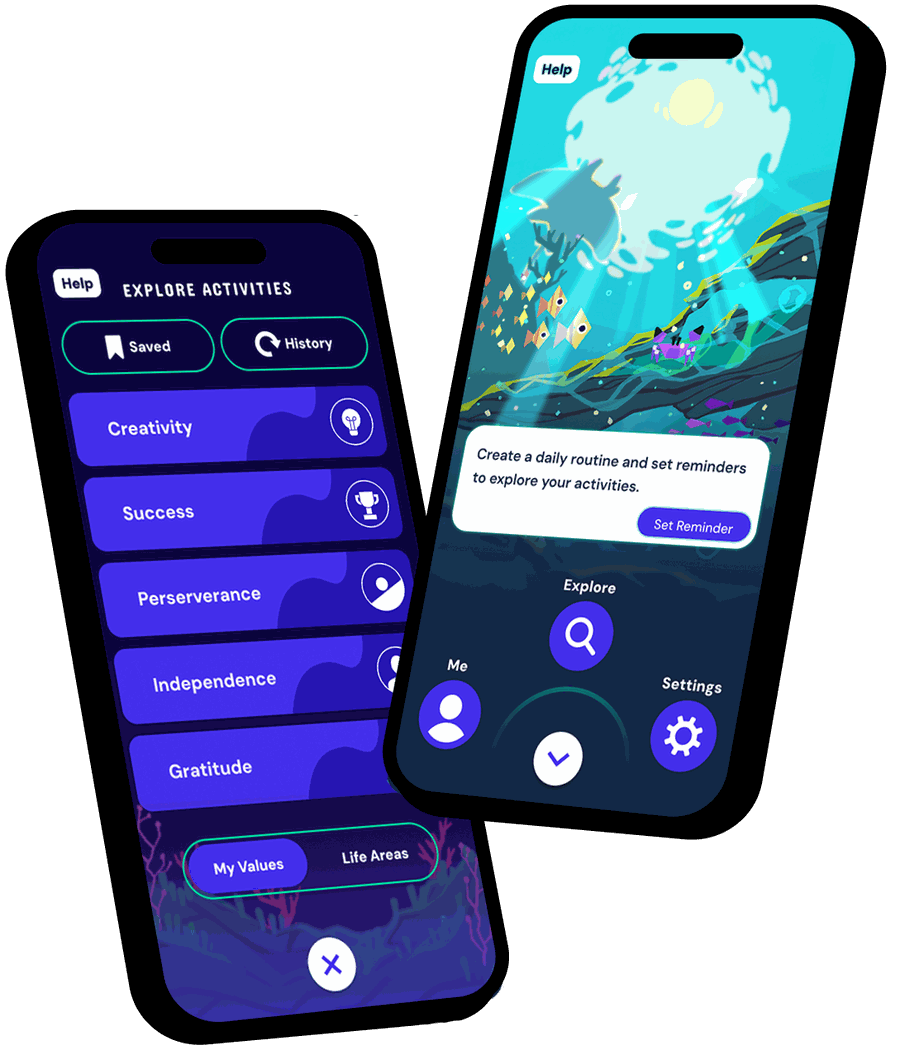
Oshn (oshn.app), a therapeutic app helping young people lift low mood and manage low motivation by doing more of what matters to them. Built by BfB Labs, who also make Lumi Nova, with support from the University of East Anglia and Innovate UK. Product Director for a year, owning the new product and the vertical end to end.
A research lead, a development lead, a design consultant who was formerly a director at LEGO, and a university researcher. Run in sprints with stand-ups and design reviews.
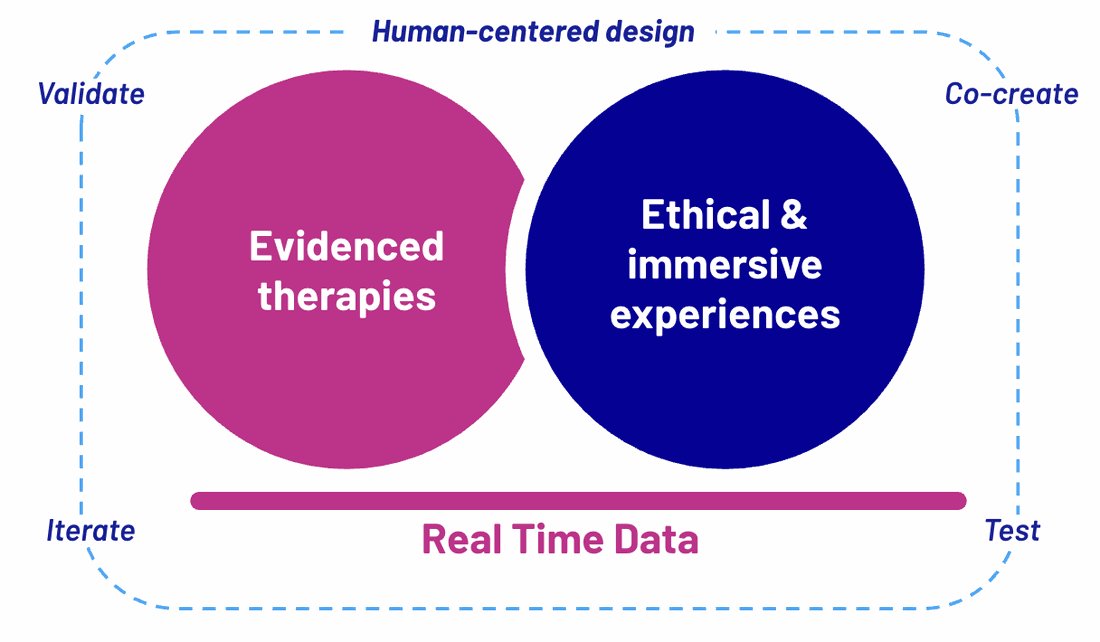
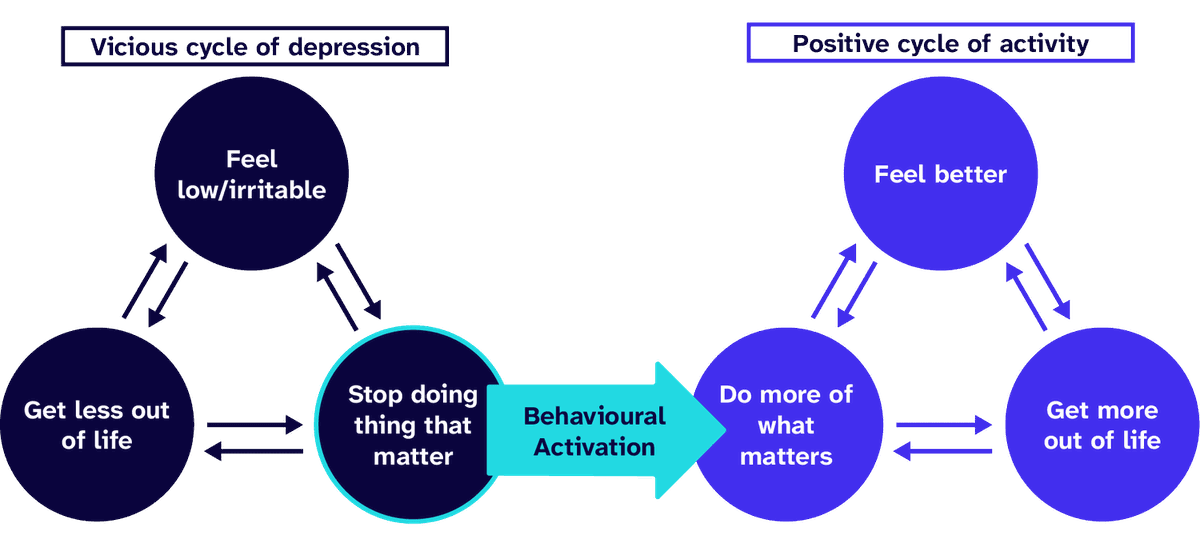
Built on Behavioural Activation, a CBT-based therapy for depression recommended by NICE. The clinical mechanism is the product spec: low mood reduces activity, less activity lowers mood further, and the way out is doing something that matters before the motivation to do it arrives. So the product is values discovery first, then activity scheduling, a progress layer that rewards having done the thing, and a reflection step asking whether it actually helped, which feeds what gets suggested next. Worked with clinicians, academics and users to design and test it. Built for deployment into the NHS and held to the regulatory standard from the start, rather than building the product first and retrofitting compliance around it.
Onboarding was where the single biggest number moved, cut from a week to six minutes, and engagement followed it rather than the other way round, so that is where the effort went. The constraint was reaching the therapy, not the therapy.